
Top 10 AI Cybersecurity Solutions- Transforming Digital Security with AI
AI Cybersecurity Solutions: Transforming Digital Security with Artificial Intelligen…
AI Cybersecurity Solutions: Transforming Digital Security with Artificial Intelligen…
Cloud computing's quick uptake has transformed companies by offering scalability, cost savings, and efficiency. However, as cloud services grow, so do the threats targeting them. Cloud security is no longer an option—it’s a necessity. In this guide, we’ll uncover the importance of cloud security, explore threats, analyze best practices, and answer the most pressing questions about protecting your digital assets.

Cloud computing offers unmatched benefits, but with great power comes great responsibility. Companies frequently trust cloud environments with their sensitive data without fully comprehending the risks. Here's why cloud security is vital:
Cybercriminals continually adapt their methods to exploit vulnerabilities in cloud systems. Let’s explore some of the most prevalent threats:
Data Breaches:
Hackers target cloud-stored sensitive information like financial records or personal customer data.. For instance, a number of well-publicized leaks have been caused by improperly configured storage buckets.
DDoS Attacks:
Insider Threats:
A disgruntled employee or accidental error can open the door to major security issues.
Account Hijacking:
Malware:
Malicious software, such as ransomware or spyware, can corrupt, steal, or destroy files stored in the cloud.
To secure cloud environments effectively, you must focus on multiple layers of protection:
There are significant differences between traditional on-premises security measures and cloud security. While traditional systems rely on physical hardware and isolated networks, cloud security involves securing distributed systems accessed over the internet. Advantages of cloud security include:

Implement these practical strategies to ensure comprehensive cloud security:
Adopt the Shared Responsibility Model:
Understand what aspects of security are handled by your provider (e.g., AWS, Azure) and which ones you must manage.
Encrypt Your Data:
Educate Employees:
Train staff on recognizing phishing attacks and adhering to best practices.
Backup Regularly:
Maintain frequent backups using cloud storage solutions like Google Drive or Dropbox to recover from potential attacks.
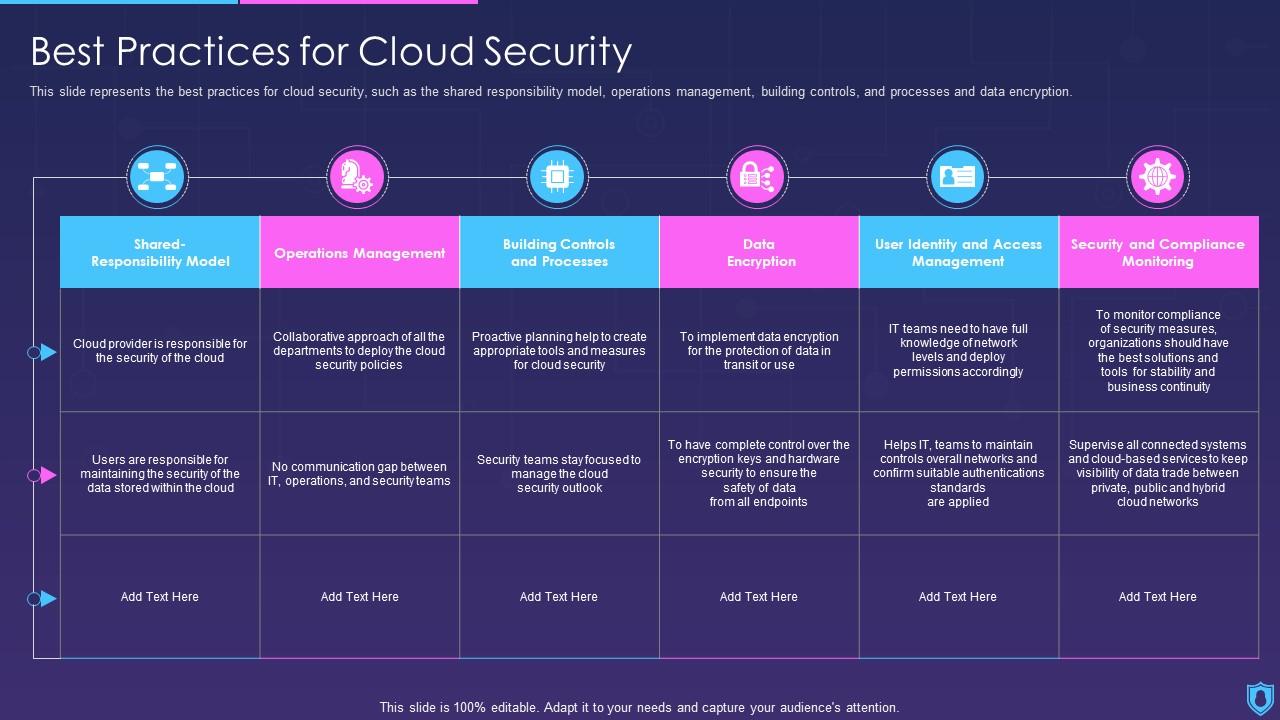
Cloud security is evolving rapidly, with several new technologies leading the charge:
Widely-used encryption algorithms, such as the Advanced Encryption Standard (AES), provide robust security, guaranteeing that intercepted data remains undecipherable.
Shared Responsibility Model Explained
Cloud service providers, including AWS, Azure, and Google Cloud, function under a shared responsibility model. In this framework, the providers take care of securing the infrastructure, while customers must ensure the security of their applications, data, and configurations. Misunderstanding this model often leads to security gaps.
For example:
Strict regulations like GDPR, HIPAA, and CCPA demand that businesses secure their customer data. Non-compliance can result in hefty fines and lawsuits. Cloud providers often offer tools to help businesses achieve compliance, but the ultimate responsibility lies with you.
With advancements in technology, the future of cloud security looks promising. Trends like autonomous security systems and privacy-enhancing technologies (PETs) will redefine how we protect data in the cloud. Quantum computing will bring stronger encryption algorithms, but also introduce challenges to current security measures.
Q1: What is the shared responsibility model in cloud security?
The shared responsibility model means the cloud provider handles the infrastructure's security, while the customer is responsible for securing their data, applications, and configurations.
Q2: How do I protect my data in the cloud?
You can protect your data by using encryption, restricting access with IAM (Identity Access Management), and conducting regular security audits.
Q3: Are cloud providers responsible for compliance?
Cloud providers offer tools to help with compliance, but it's the customer’s responsibility to ensure their systems meet regulatory requirements.
Q4: Can small businesses afford effective cloud security?
Yes, many cloud providers offer affordable tools like MFA and encryption services tailored for small businesses.
Q5: What are the most common causes of cloud breaches?
The leading causes include misconfigurations, weak passwords, insider threats, and unsecured APIs.
Q6: What are the benefits of Zero Trust Architecture in cloud environments?
Zero Trust ensures that no user or device is trusted by default, reducing the risk of unauthorized access.
In a time when businesses depend significantly on cloud services for efficient operations, cloud security has become paramount. By implementing best practices, utilizing cutting-edge tools, and keeping up-to-date with new threats, you can protect your assets and comply with international regulations. Instead of waiting for a security breach, take proactive steps to secure your cloud environment now.

No comments:
Post a Comment